Oil and Gas Leasing on our Public Lands
President Trump’s signature policy bill, the “One Big Beautiful Bill Act,” curtails the Bureau of Land Management’s (BLM) ability to say “no” to making public lands available for oil and gas leasing, including in response to local concerns. The bill puts the oil and gas industry in the driver’s seat on our public lands, requiring the BLM to offer for sale every eligible parcel of public land the industry requests for oil and gas drilling. This includes lands that have conflicts with important public lands resources and values, such as wildlife habitat and recreation areas. This approach disregards the concerns of local communities, counties, states, hunters, anglers, recreationists and ranchers. Colorado is already seeing the impacts of this bill, with the BLM offering more than a quarter-million acres of public lands in our state to the oil and gas industry in the past year alone, including in special places the Roan Plateau and Routt National Forest. Industry has already nominated hundreds of thousands of acres more in Colorado, so we can expect these lease sales to continue growing in size and conflict. Adding to these threats, the Trump administration is proposing to repeal the BLM’s Oil and Gas Rule, which would further limit opportunities for public input on where companies drill and make it easier for industry to leave behind thousands of polluting wells on our public lands.
Weakening Travel Management on Public Lands
The Trump administration is considering changes to longstanding policies that guide where motorized vehicles can travel on national forests and other public lands. The Forest Service’s Travel Management Rule provides the framework for developing local plans that designate roads, trails and areas open to cars, ATVs, dirt bikes and other motorized uses. Built with public input, these plans give visitors clear, reliable information about where they can go, improve safety, reduce conflicts and help agencies maintain access as recreation grows. Weakening or repealing these policies would undermine years of local planning and create uncertainty for recreationists and land managers. It could also increase unmanaged motorized use in wildlife habitat, winter range, watersheds and other sensitive areas while forcing already understaffed agencies to redo costly planning work. Thoughtful travel management doesn’t eliminate access—it makes access more predictable and sustainable while protecting the public lands we all share.
Eliminating Conservation on Public Lands
The Trump administration is repealing key policies that enable conservation of our public lands and waters, including a Department of the Interior review of wilderness policies across the Bureau of Land Management, U.S. Fish and Wildlife Service, and National Park Service. These policies guide the stewardship of nearly 200 million acres of America’s wild public lands, protecting ecological integrity, cultural resources, and opportunities for quiet, primitive recreation. Weakening these longstanding safeguards would open the door to administrative rollbacks that leave some of our most treasured landscapes vulnerable to increased exploitation and degradation. The administration has fully repealed the Bureau of Land Management’s Public Lands Rule, which put conservation on equal footing with other multiple uses such as energy extraction and development. It is moving to eliminate the Roadless Rule, which protects millions of acres of wild national forest from destructive development, and is removing “mineral withdrawals” that protect important landscapes like Boundary Waters and Chaco Canyon from mining and oil and gas drilling.
Dismantling our Federal Agencies
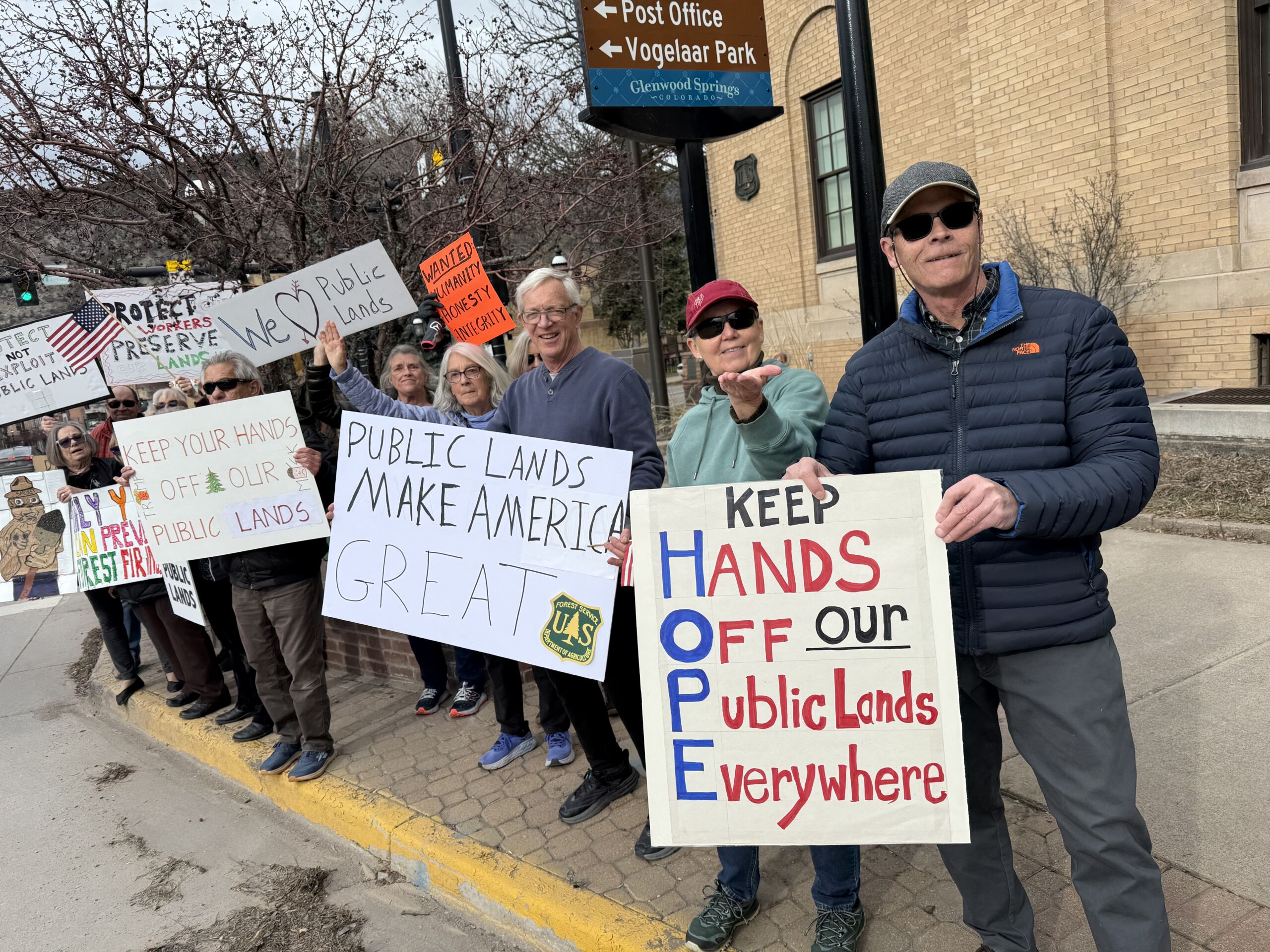
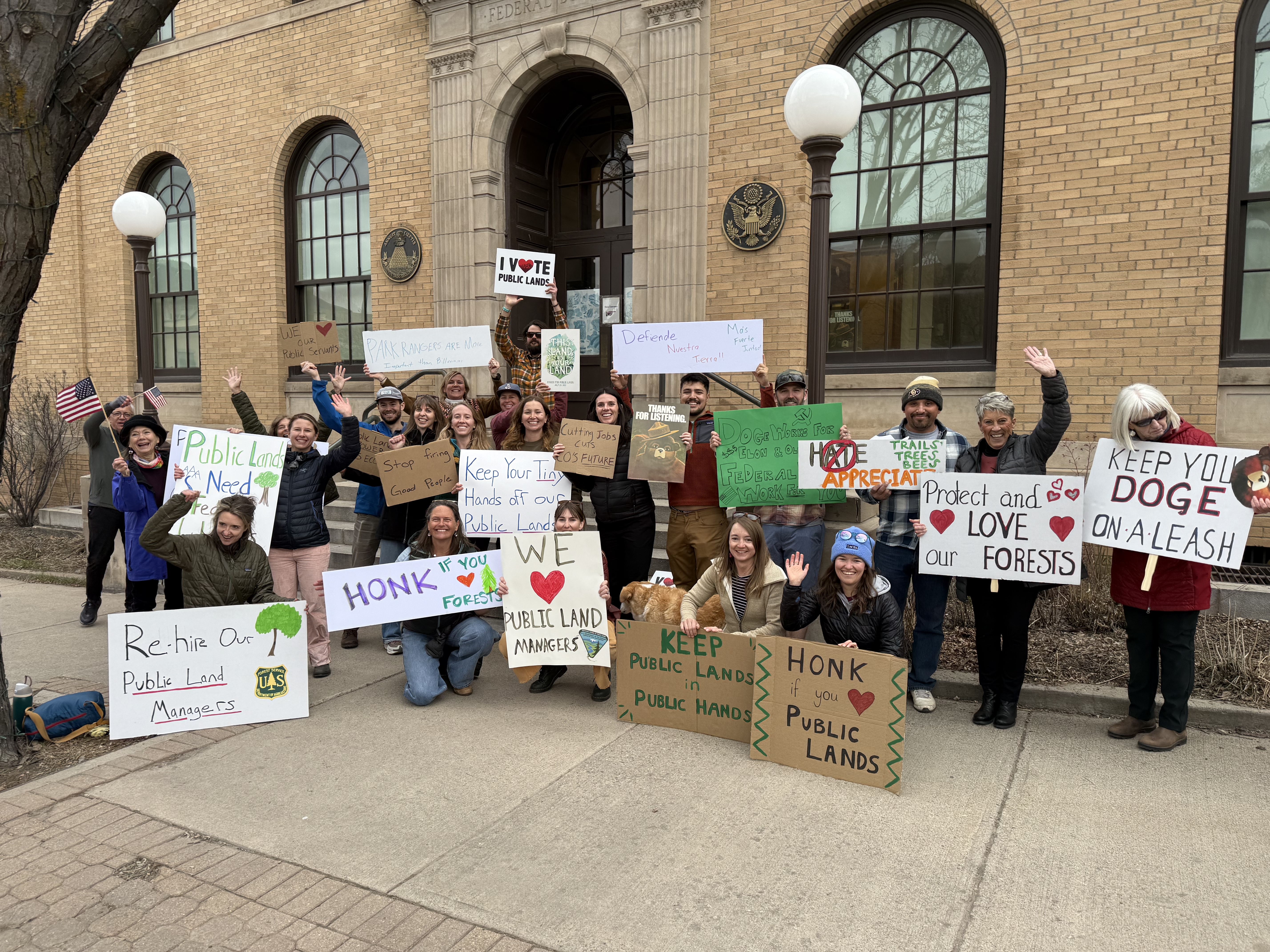
The Trump administration’s plan to shutter the Forest Service’s national headquarters, regional offices, and research and development facilities is a thinly veiled ploy to decimate our public lands by dismantling the agency that manages our national forests. “Relocating” the Forest Service headquarters to Utah will uproot, demoralize, and ultimately eliminate staff and expertise, as we saw when the first Trump administration employed the same ruthless strategy against the Bureau of Land Management. This sweeping and baseless reorganization will do real damage to our national forests, at a time when our public lands are already reeling from drastic funding and staffing cuts, especially here in Colorado where recent reporting from the Colorado Sun revealed that Colorado has lost nearly 1,800 federal land management positions—the largest loss of any state in the country—as a result of the administration’s Department of Government Efficiency (DOGE) cuts in 2025.