
A Widely Celebrated Move for Lynx
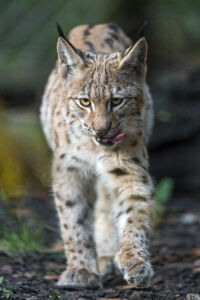
Image by Tambako the Jaguar, via Flickr.
This article first appeared in the Summer 2025 edition of Wild Works.
Often referred to as the “gray ghost from the north,” lynx are one of the most elusive animals in the Rocky Mountains. Though their numbers may be small – Colorado has an estimated 75-100 resident lynx – their presence indicates something big: if lynx are thriving, habitats are healthy.
In a widely celebrated move, and in response to legal advocacy, and a lawsuit, by Wilderness Workshop and partners, the U.S. Fish and Wildlife Service (USFWS) recently proposed to designate “critical habitat” for Canada lynx in Colorado. The lawsuit challenged the USFWS’s failure to protect habitat in the southern Rockies. We worked with our partners to draft comments and organize support for the proposed increased protections for Colorado’s lynx and their habitat.
“Critical habitat” is a special designation for lands with physical or biological features essential to the conservation and recovery of threatened and endangered species. Colorado’s high country provides large amounts of critical lynx habitat that is increasingly important in a warming climate. Lynx are made for the alpine – their wide paws function like snowshoes, allowing them to travel in snowy terrain with ease. A recent report from Colorado Parks and Wildlife, the U.S. Forest Service and the University of Wyoming concluded that only 62% of “likely” lynx habitat is currently protected. Designation of critical habitat protections will create an added level of protection necessary to ensure lynx can thrive in Colorado.


